
What Is Cavitation and Does It Really Work?
How ultrasonic cavitation works, what studies have found, who it is for, how many sessions it takes and what side effects to expect.
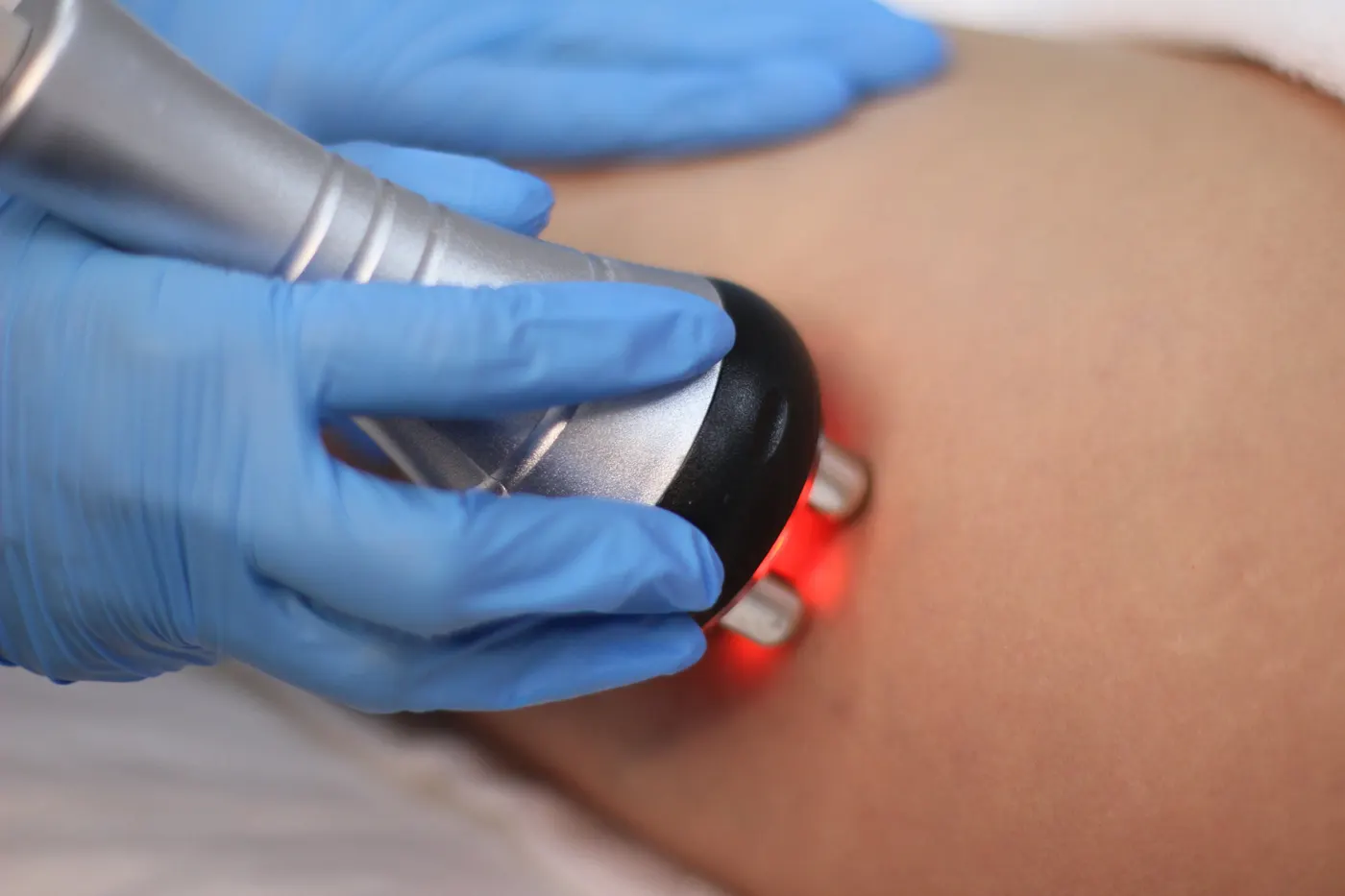
If you have been researching non-surgical body contouring in Houston, you have probably asked: what is cavitation, and does it actually work? Here is a straightforward look at how ultrasonic cavitation works, what the research says, who it suits and what to expect from a series of sessions.
What is cavitation?
Ultrasonic cavitation uses low-frequency ultrasound waves sent through the skin into the fat layer. The waves create tiny pressure changes that stress fat cells and cause them to release their stored fat. Your body then clears that fat through its normal lymphatic and metabolic processes. There are no needles, no incisions and no anesthesia.
Does cavitation work?
The honest answer is yes, within limits. A small 2013 study published in Plastic and Reconstructive Surgery Global Open found that fat cells in treated abdominal tissue shrank by roughly a quarter to nearly half compared with untreated tissue, and skin-fold thickness dropped over four weekly sessions, with no damage to surrounding tissue (Bani et al., 2013). Healthline’s review of the research also describes studies where treated areas shrank by 1 to 3 centimeters (Healthline).
What cavitation does not do is make you lose a lot of weight. It is a contouring treatment for stubborn areas, best for people who are already close to their goal weight.
Who is a good candidate?
- You are in good overall health.
- You are near your goal weight and want to refine the belly, waist, thighs or arms.
- You have realistic expectations and can commit to a series.
Cavitation side effects
Most people tolerate it well. You may hear a high-pitched buzz during treatment and notice redness, warmth or mild tenderness afterward. Uneven results are possible, which is why technique and a full series matter.
How many sessions?
Sessions at our spa last about 30 minutes of cavitation within a longer contouring appointment. Most clients do a series of 6 to 10 sessions with at least a week between them, since the body needs time to clear the released fat.
Cavitation before and after: what changes
Expect gradual change, measured in inches rather than pounds. Many clients track progress with a tape measure and photos every few sessions. Results look best when paired with:
- Drinking plenty of water.
- Walking or exercising regularly.
- A balanced diet.
Why we combine cavitation with other techniques
At Silueta Med Spa we rarely use cavitation alone. Our body contouring sessions pair it with radiofrequency for skin firmness, vacuum therapy for circulation and electrotherapy for muscle tone. For the rear, our non-surgical butt lift follows a similar protocol, and for dimpled skin there is our cellulite treatment.
When to see a doctor instead
Cavitation is cosmetic. If your goal is significant weight loss, or you have loose skin after major weight loss, a medical provider or surgeon is the right first stop.
See all packages on our prices and booking page or call (281) 497-0888.